What you can safely check at home
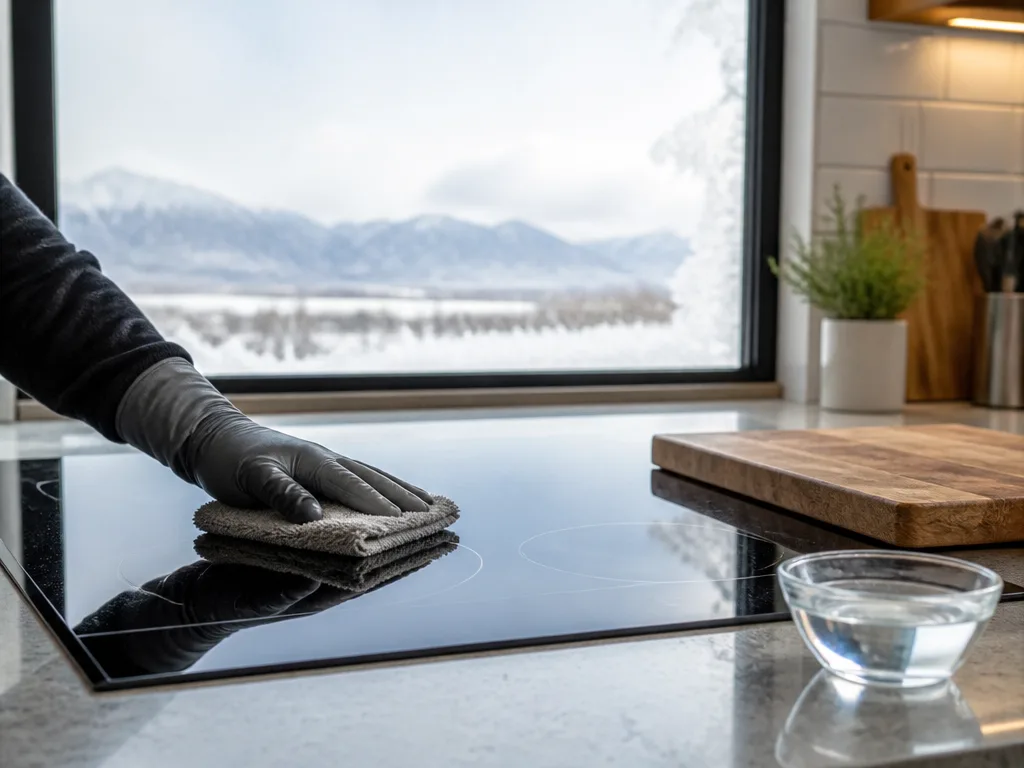
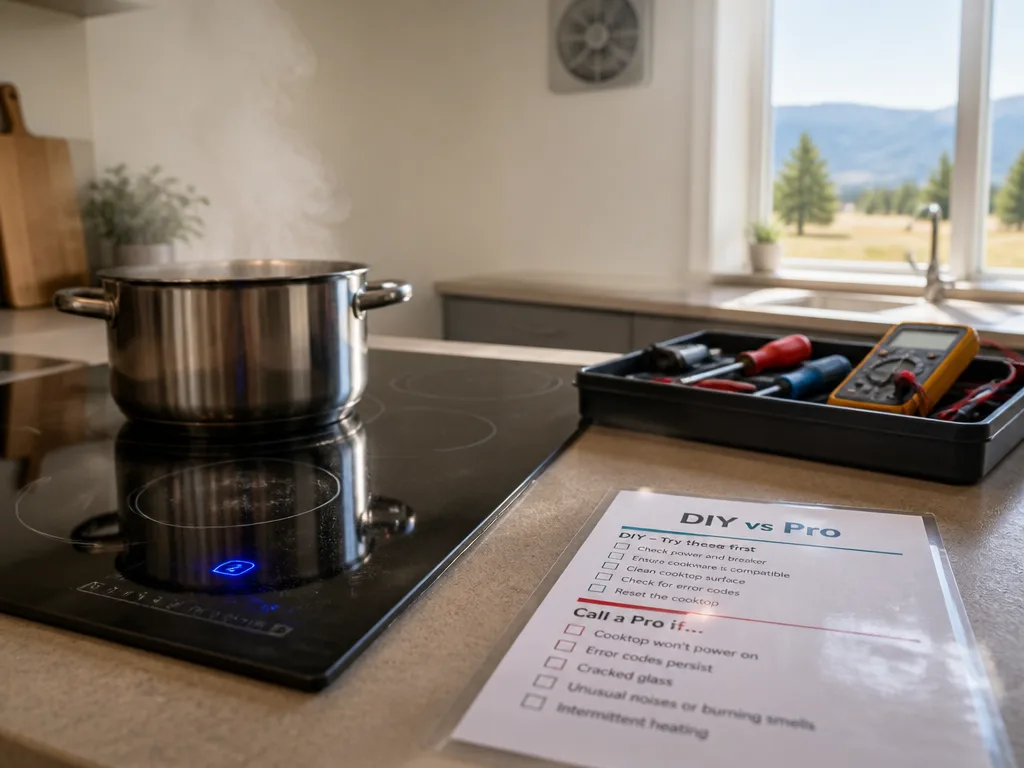
Some basic checks won’t put you at risk and can help you decide if a call is warranted. Start by verifying cookware compatibility, since induction requires ferrous pots and pans. Clean the surface to remove any residue that might interfere with sensors. If a burner won’t heat, ensure the control panel responds to taps and that the appliance isn’t overheating due to trapped steam from nearby items.
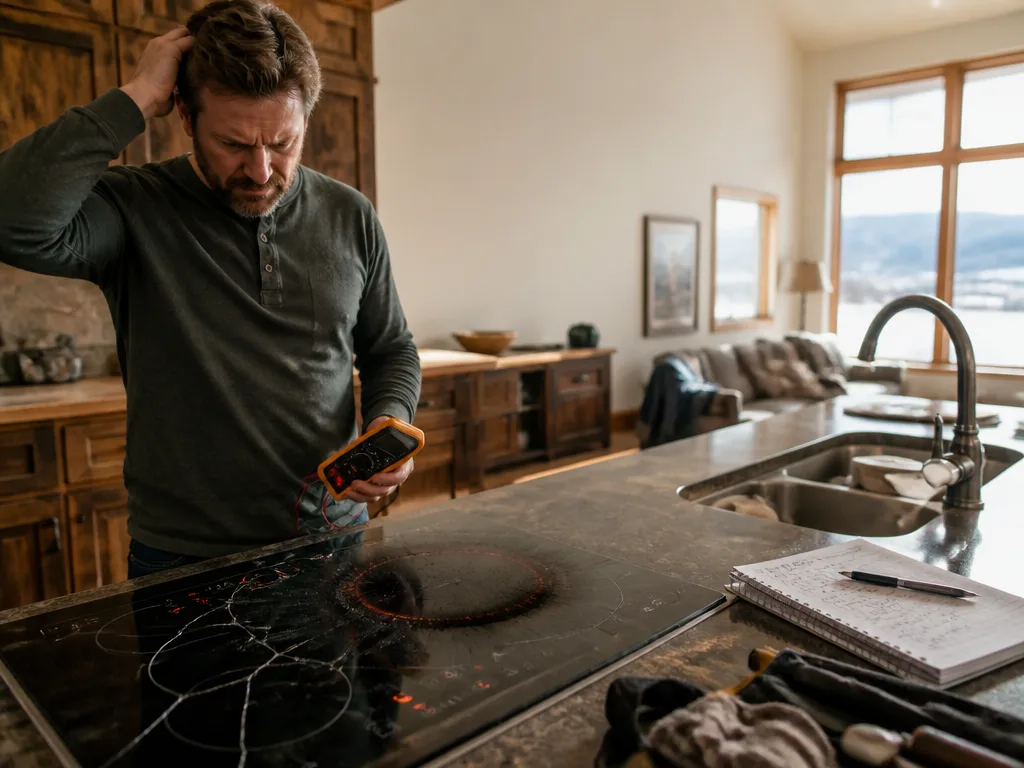
Look for obvious signs of damage or loose connections around the power cord and the ventilation area. If you find exposed wires or a burning smell, save the unit from further use and contact an appliance repair specialist right away.
When it makes sense to bring in an appliance repair specialist
More complex problems involve the control board, sensor modules, or the coil assembly. Those parts require specialized tools and knowledge to diagnose safely. If you hear buzzing noises, notice intermittent heat, or see the display showing error codes you don’t recognize, it’s time to call a pro. Across Wyoming, our crews can assess the issue, provide a repair plan, and perform the work with proper safety steps.
We also advise not attempting DIY fixes that involve disassembly or exposure to electrical components. Induction cooktops can be damaged further by improper handling, and incorrect repairs can void warranties or create safety risks. A local appliance repair specialist from Wyoming Induction Cooktop Repair will walk you through the options and expected timelines so you can plan accordingly.
Balancing cost and reliability
DIY fixes might save a little in the short term, but professional diagnosis often reveals the true scope of a problem. A pro can help you decide whether a repair makes sense given the age and condition of the unit, or if a replacement would be more economical in the long run. Across Wyoming, we approach repairs with practical, no-nonsense advice and clear explanations of costs up front.